The Conversation · Issue 01 · Autumn 2026
How to talk to your barber
The best cuts start before the clippers do. Five minutes of the right conversation is worth more than any photo.
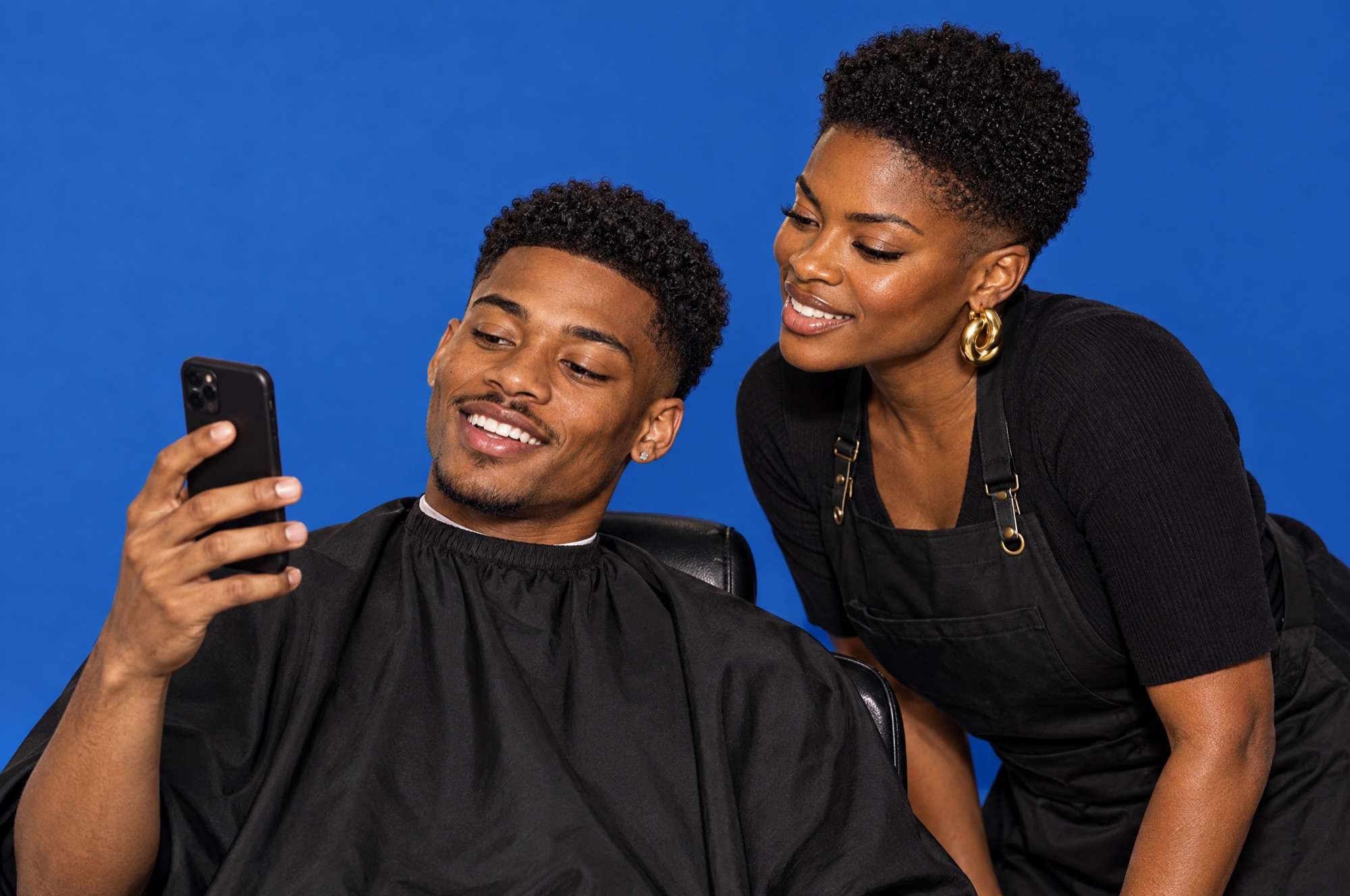
Your barber can't read your mind, but they can read you. Give them good information and they'll do the rest.
Bring photos, plural
One photo shows a moment. Bring two or three, and include the back and the sides if you can find them. Pick photos of hair like yours: the same texture and density. A cut on straight, fine hair won't sit the same on thick curls.
Say what you don't want
“Not too short on the sides.” “Don't touch the length on top.” “No hard part.” What you don't want is often clearer than what you do.
Tell them how you live with it
- How long you spend on it in the morning: zero minutes is an answer.
- What you put in it, if anything.
- Whether you wear a hat, a helmet or a durag.
- How often you can realistically come back.
Mention the quirks
Cowlicks, a crown that sticks up, a scar, a thin patch, a sensitive neck. Barbers work around these every day. They just need to know.
Speak up in the chair
If something looks off halfway through, say it then, kindly. It's easy to adjust before the end and impossible after. A good barber would rather hear it at minute ten than see you walk out unsure.
Look at the back
When they hand you the mirror, actually look. Check the neckline and the blend behind your ears. If it's right, say so; if it isn't, say that too.
More from Issue 01
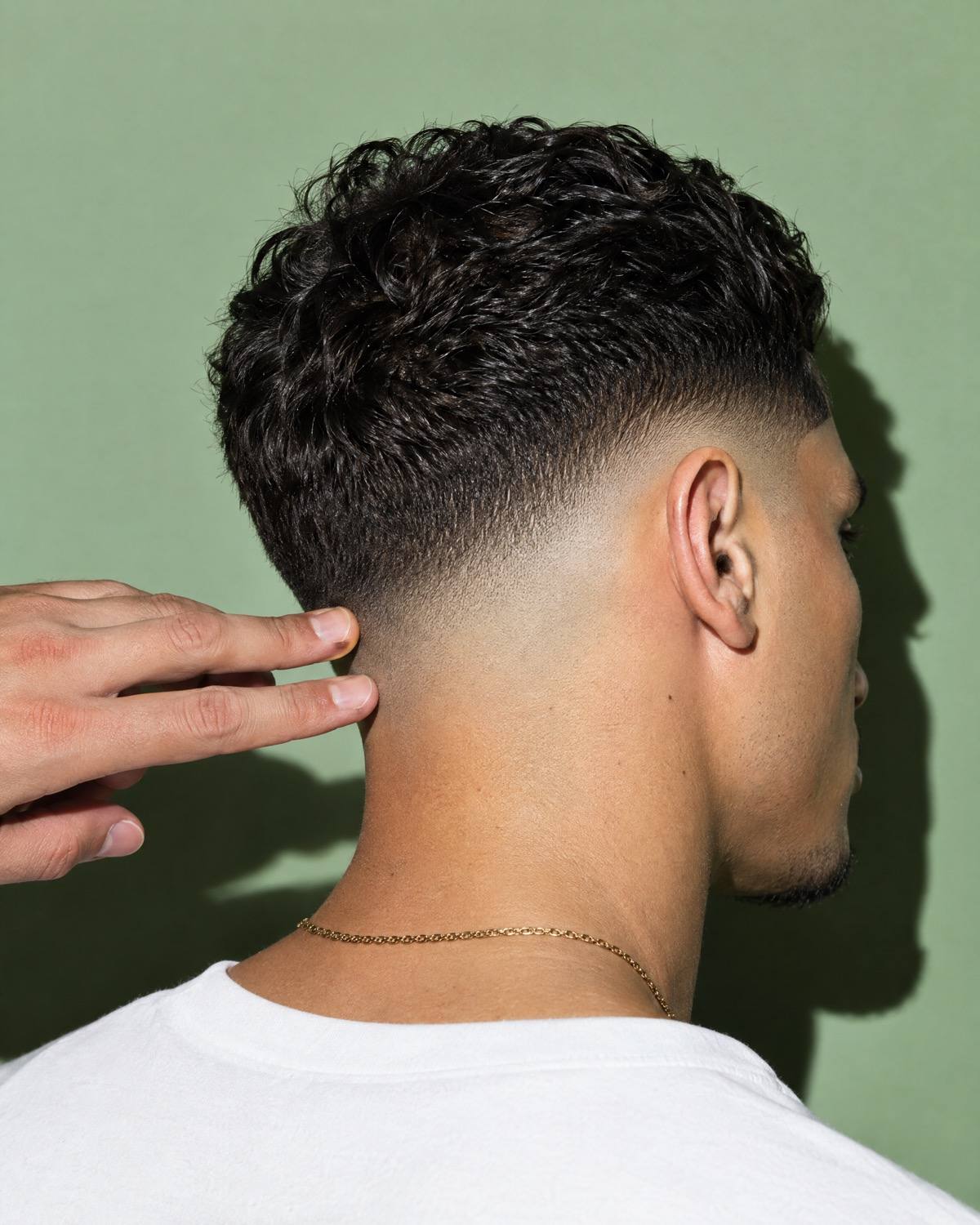
- The Look · 4 min readThe fade, decodedLow, mid, high, skin, taper, burst. What the words mean, what the numbers mean, and how to ask for exactly the cut in your head.
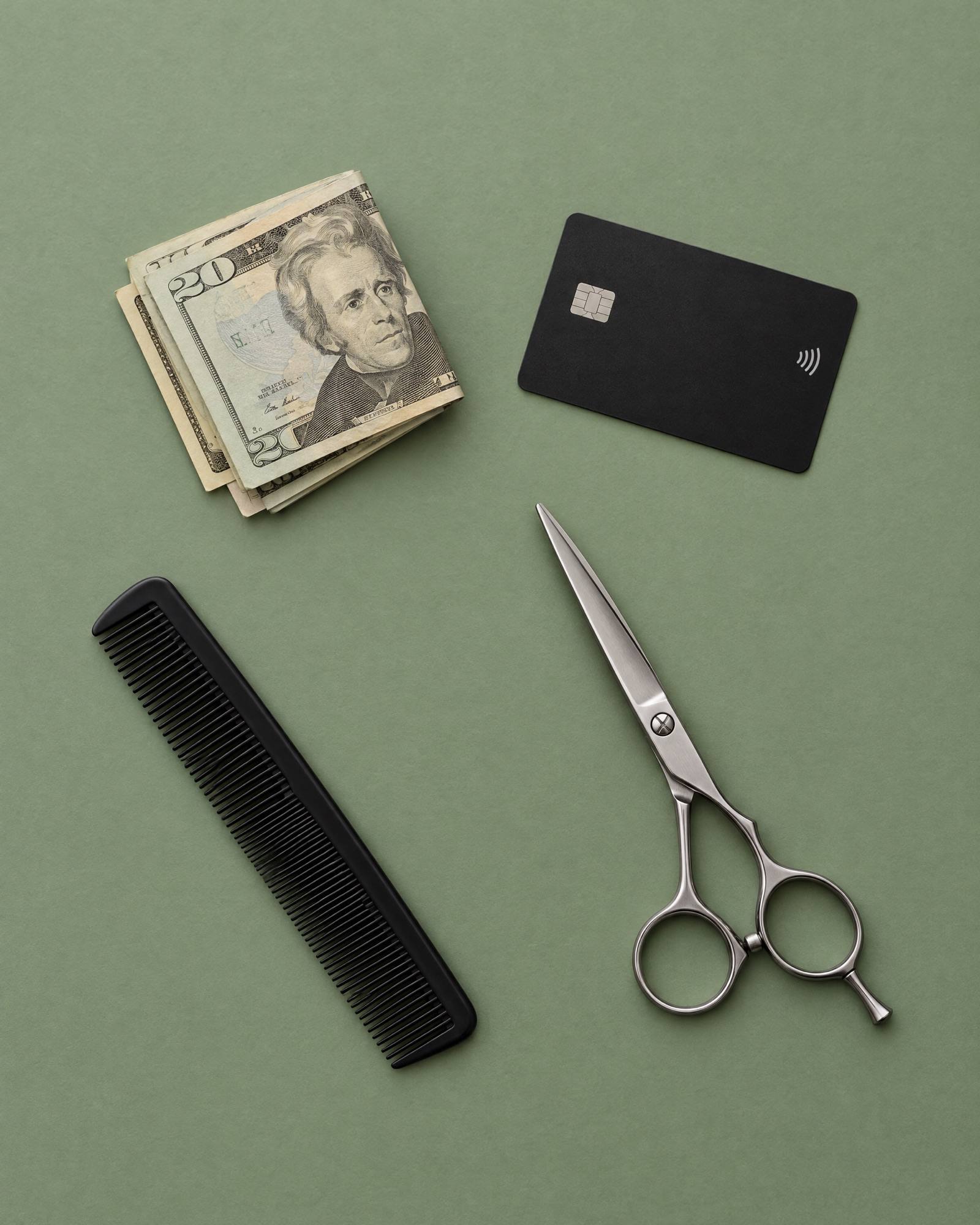
- The Conversation · 3 min readTipping your barber, straightHow much, cash or card, and the moments that call for more. A plain guide to the question everybody wonders about and nobody asks.
- The Game · 4 min readBefore the first client: a barber's opening checklistThe thirty minutes before the door opens decide how the day goes. A practical checklist for independent barbers.