The Ritual · Issue 01 · Autumn 2026
How to read an ingredient list
The front of the bottle is marketing. The back is the truth. Five minutes to read it like you mean it.
Every cosmetic sold in the US has to list its ingredients. Once you know how that list is built, you can tell in seconds whether the star ingredient on the front is a lot or a little.
Order means amount
Ingredients are listed from most to least, down to those at 1% or less. After that point, they can appear in any order, and colors can come last. So the first five or so names make up most of what's in the bottle.
The names are standardized
Labels use international ingredient names, so the same thing reads the same way on every brand. Water is often Aqua. Shea butter is Butyrospermum Parkii Butter. Long names aren't scary on their own; many are plants, oils and familiar moisturizers in formal clothes.
Words worth noticing
- Fragrance or parfum: a blend that doesn't have to be broken down on the label. If your skin is sensitive, fragrance-free is a good place to start.
- Alcohol: "alcohol denat." can feel drying for some people; fatty alcohols like cetyl or cetearyl alcohol are softeners, not the same thing.
- Essential oils: natural doesn't mean gentle. Some people react to them.
Claims to read twice
- "Clinically proven": ask proven to do what, in how many people, compared with what.
- "Free from": tells you what isn't there, not whether what is there suits you.
- "Dermatologist tested": tested is not the same as recommended.
Our promise
When EYEGASMS products go on sale, the full ingredient list for each one is published on its page, word for word as it appears on the label. No hidden lists, no miracle claims.
If you have allergies or a skin condition, take the list to your dermatologist or pharmacist. They can tell you what to avoid in a way no label can.
More from Issue 01
- The Ritual · 4 min readThe two-minute routine, decodedYou don't need twelve steps. You need three things in the morning, two at night, and the patience to keep doing them.
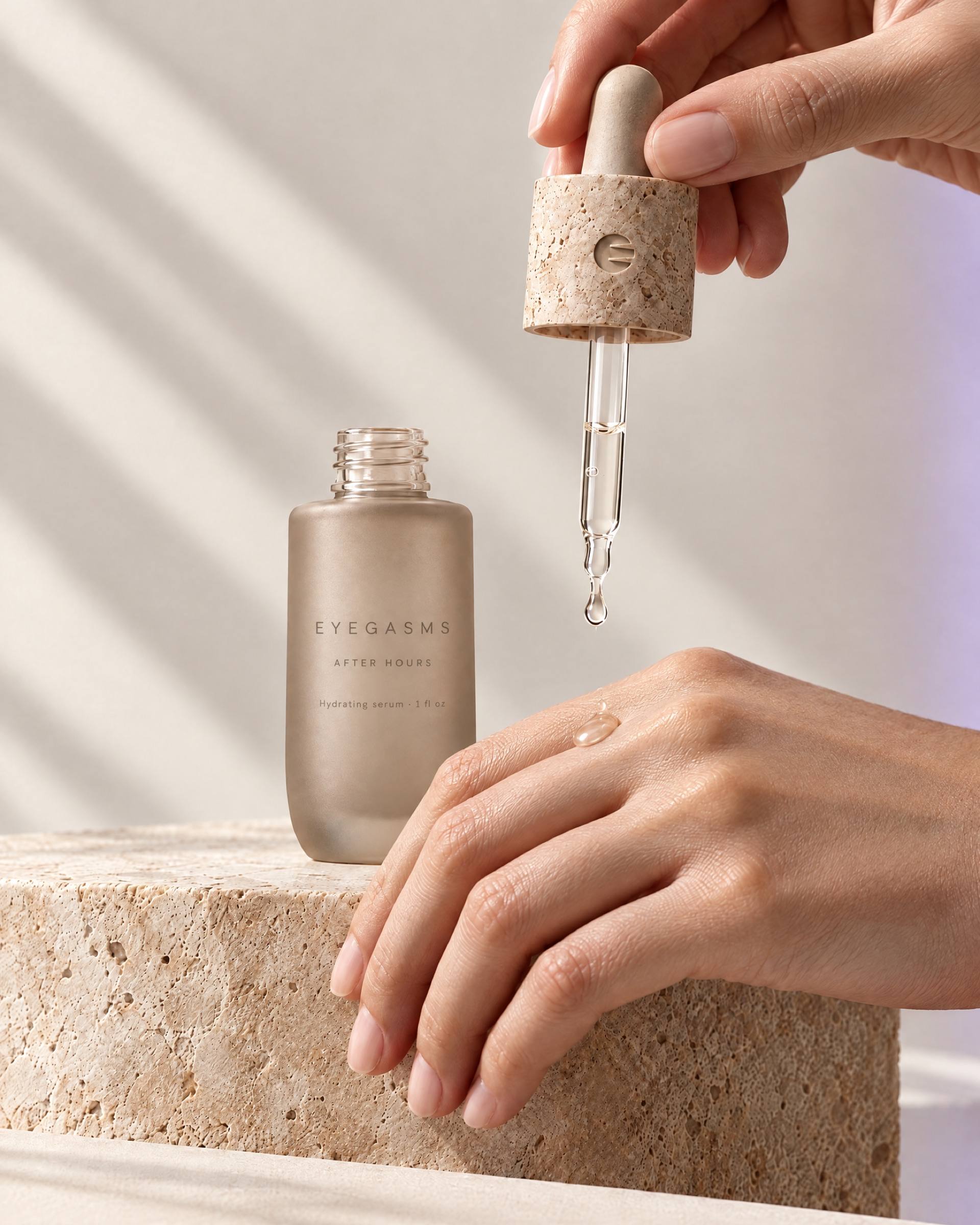
- The Ritual · 5 min readYour first facial: what actually happensNo mystery, no judgment. What to tell your esthetician, what happens on the table, and what to do after.
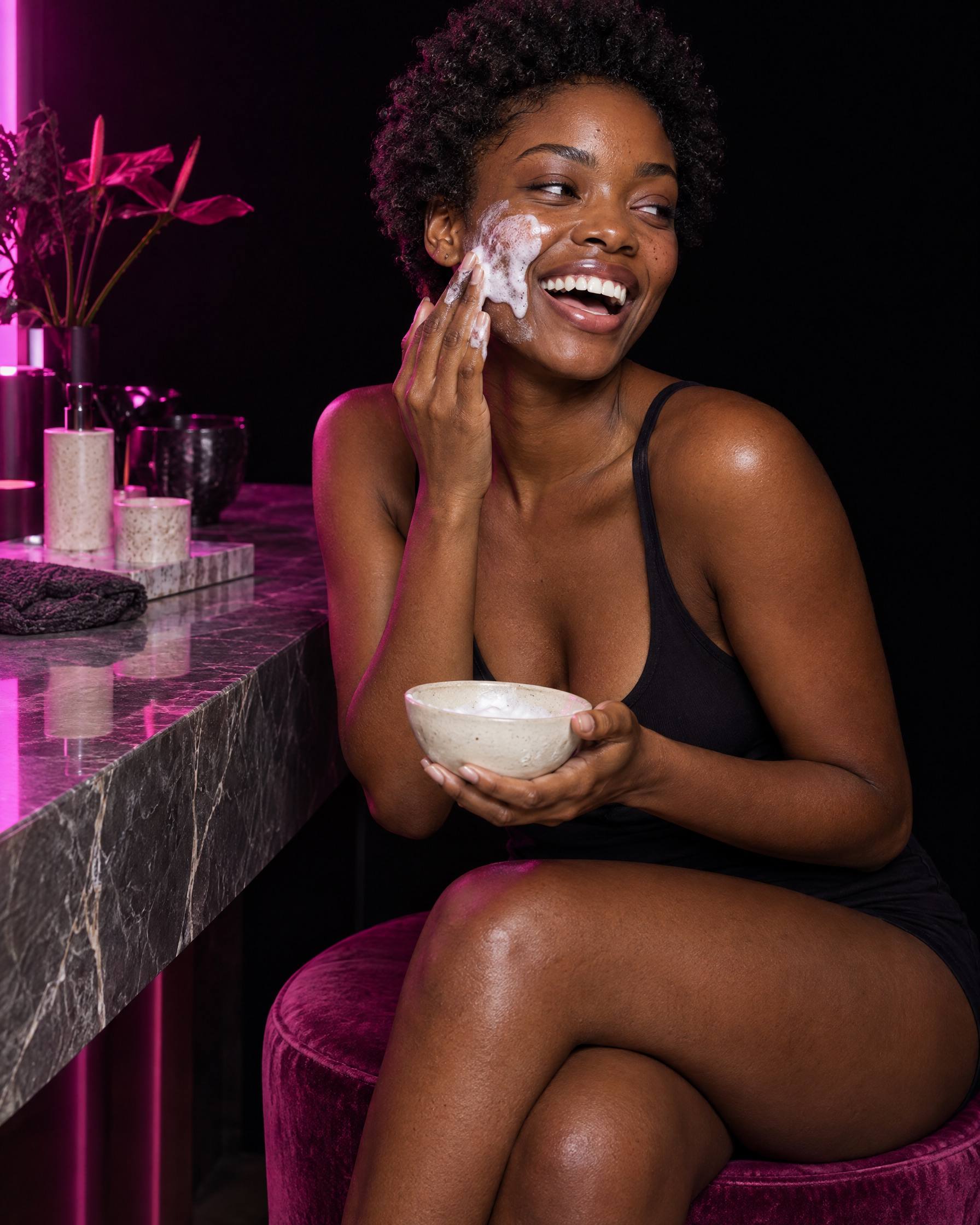
- The Look · 4 min readSkincare for men who think they don't do skincareYou already have a routine. It's just missing two steps and using the wrong soap.